Watched: a site revealing the satellites watching you
This is so well executed; you put in your location and it shows you all the satellites that are watching you. Sounds creepy but it’s genuinely interesting and the site is a UX gem:

Everything I post, gathered into one email every ten posts or so.
Archive / Tag
This is so well executed; you put in your location and it shows you all the satellites that are watching you. Sounds creepy but it’s genuinely interesting and the site is a UX gem:
Hat tip to my colleague Emily for sharing this. My clubbing days are behind me for the most part these days, but certainly I feel this point about how there used to be much more freedom is correct. Good read though - take a look:

Hat-tip to Ted Gioia for reminding everyone of this article from March this year, outlining all the ways in which Microsoft was getting it wrong.
If you’re running production workloads on Azure or relying on it for mission-critical systems, this story matters more than you think.
And sure enough… they were proven correct.

I would expect to see more and more of this kind of thing happening soon. The capacity for AI agents to 1) swarm sites and services, and 2) act maliciously is too great. Looking at you, Ticketmaster! If United can ban agents, so can you.

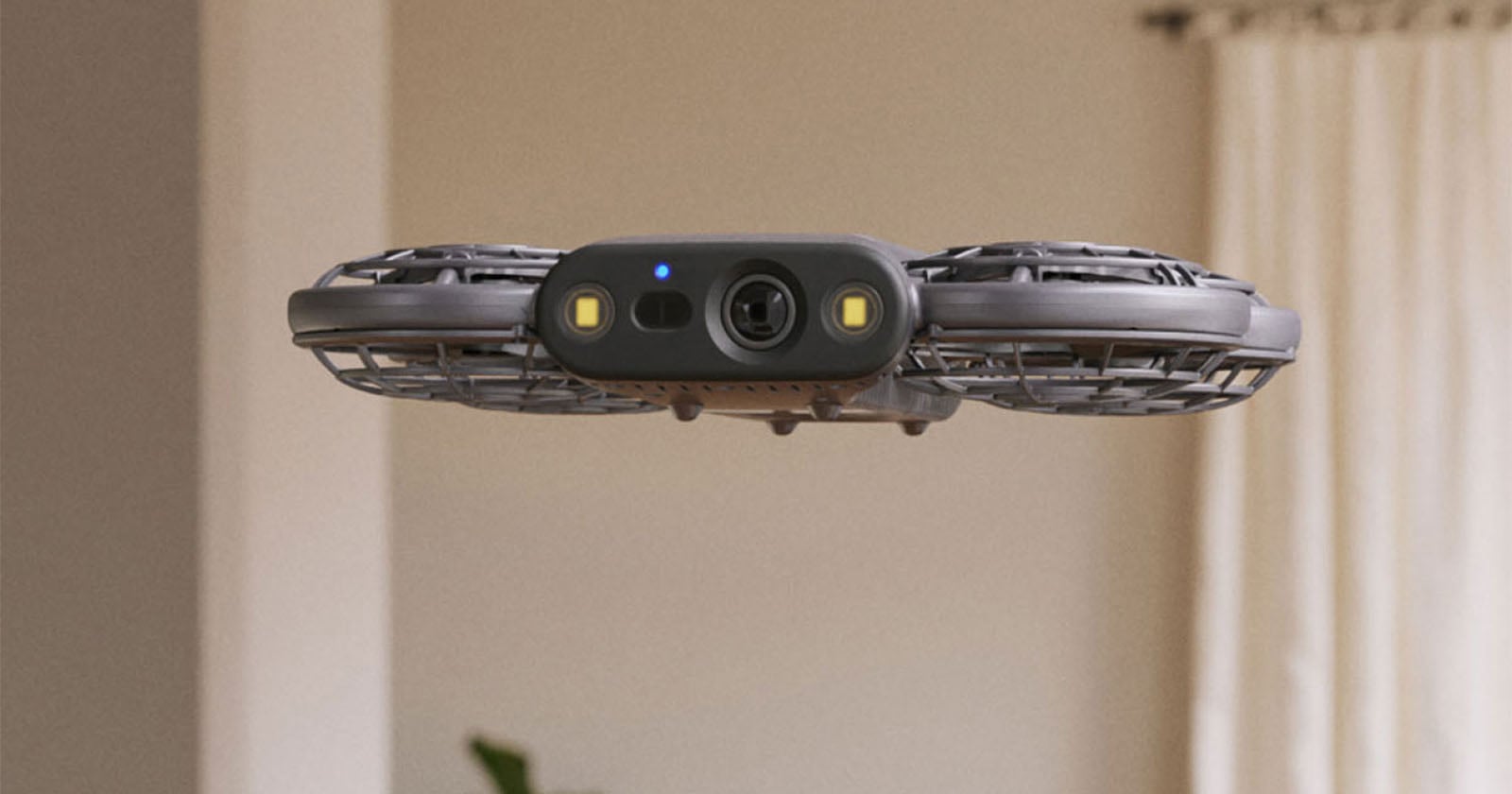
Question: does anyone think this would actually change the outcome of someone breaking into your home? Think about it: if you’re the kind of person that buys this product, you will already have surrounded your house with smart cameras. At that point, if somebody breaks in, you’ve caught them on film anyway. Equally, if they do break in and you’re hundreds of miles away, you’re kind of screwed either way. Hence, a little drone that someone could easily smash out of the sky and stamp on strikes me as totally pointless. Just me?
This feels long overdue; an act specifically targeting things like the nefarious “dark patterns” design approach of games like Candy Crush that deliberately work to make a game harder before offering you paid means to resolve an entirely made-up challenge. Also, the mention of ticket sale and virtual queue practices certainly has me hopeful that certain companies may finally be forced to change their ways.

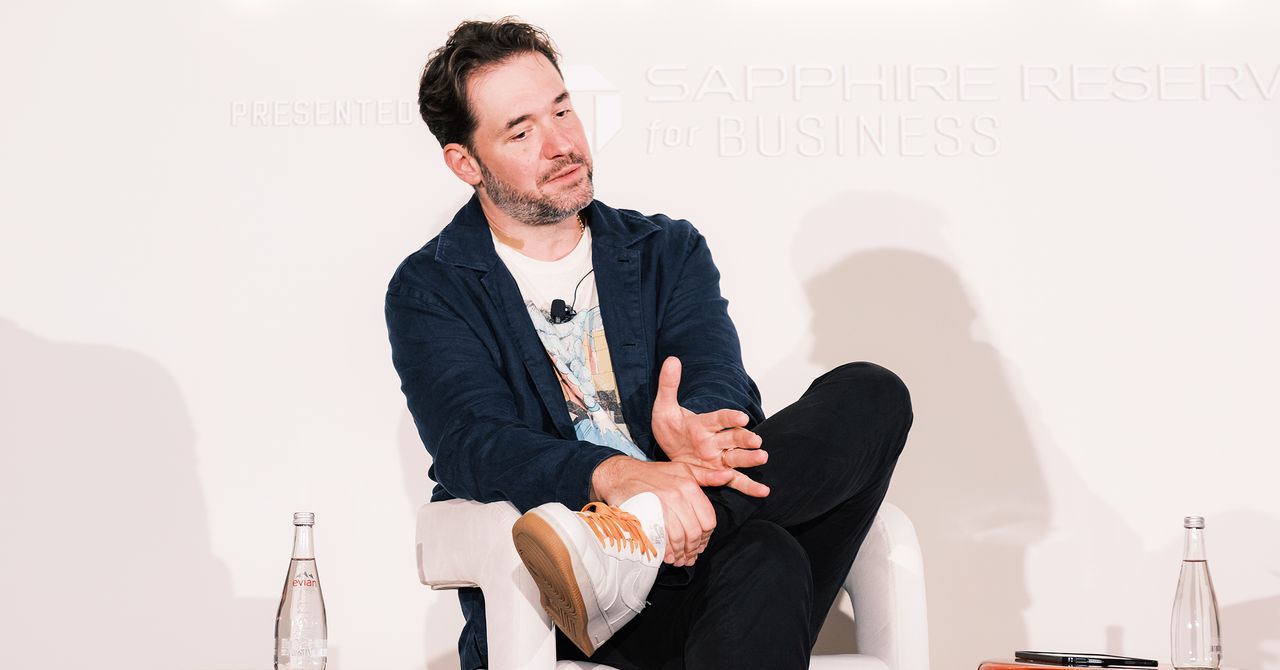
Broadly, I agree with what Alexis Ohanian is saying here. I simply don’t believe people are craving social media apps - or what we know as the current social media “experience” - at all these days. Ultimately it feels like we need the current incumbents to die right back, and only then can better things rise up in their place. That being said, as long as any massive app follows the “sell your data” angle to make money, it is likely doomed to the same outcome as Insta et al…
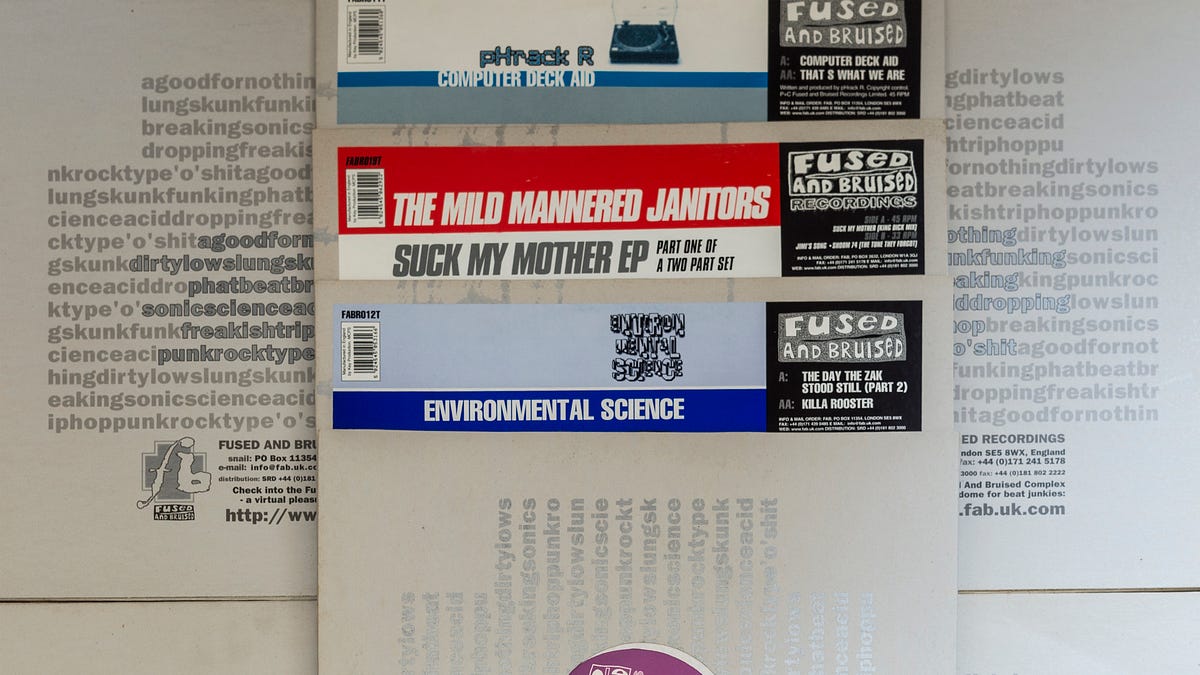
I really enjoyed this piece which I think reflects this wider view that where once we were glad to be rid of gatekeepers, we now feel that in reality they played a vital role.
The M-Wave FM-1 has already ascended to the “totally sold out everywhere” pantheon, thanks entirely to its firmware being completely open source and available for anyone with Claude to customise.
My buddy Pete certainly went to town with this CULTBOX firmware he made, which combines an Elka drum machine, a Polivoks synth and his own custom dub siren, among other things.
Check it out:
Really though the point is that we’re moving to a state where people can basically create their own grooveboxes now. IMO this reinforces the point I made in an earlier post, i.e. that I’d imagine the future will be less about owning loads of hardware, and more about owning a select few pieces that can be rewritten to do whatever you want at the time.
I am seeing the same thing with my Polyend Tracker, which now has upgraded (and brilliant) firmware, but also other downloads that can turn it into a 4-track looper, a 303 and a vocoder, among other things.
Exciting times!
I’ve been a user of Arc browser since it launched. It was far more capable than Chrome and soon became an essential part of my workflow. It annoyed me then, when the makers basically mothballed it in favour of a new AI-infused browser called Dia. Earlier this week, they went even further and basically announced the browser was being fully shut down.
Enter Crest. I installed it last night and so far it’s been a like-for-like replacement. It even has a migration feature to import your Arc spaces, extensions and history. Very effortless. Worth a look if you’re also an Arc user wondering where to go next.

My colleague Harry shared this in our company Slack: Dortmund FC are rewarding fans with loyalty points for keeping their phones locked during a game.
“Dortmund are offering signed jerseys and gift cards for club merchandise to fans who use an app which measures how often they unlock their phones at their stadium.”
Could bands adopt this? In theory, yes. I love it as a concept.
One issue that keeps coming up for me as a business owner employing 30+ people is how you control the use and deployment of AI, and equally, how you understand exactly what people are using tokens for.
Currently, it feels woefully underserved across the major AI providers, so this concept from the team at Make strikes me as very much recognising the gap in the market. Worth a look.
The part I am still not quite figuring out here is how all these parts hang together. At some point I assume One Platform To Rule Them All will emerge, but until then this all remains quite a messy area in terms of governance.
I love this line: “Don’t reinforce the loop. Design the exit.”
I couldn't agree more. It's why here at Motive Unknown we're focusing far, far more on elevating experiences that live on the artist's own website, and ideally tying those to IRL experiences where there is infinitely more value and connection attributed to it.

UPDATE: I wound up writing a longer piece about marketing, stemming from this article. Read that here.
I mentioned Reverse Engineer Anything in a previous post. As the name suggests, it allows you to decompile firmwares and binaries, thus allowing you to then create your own firmware or cloned version of an app.
What I like about this video is it very easily unpicks all the implications of reverse engineering things - and there are many to consider.
P.S. I have to also shout out this comment, though, which did make me laugh: